Showing posts with label clothing ideas for men and women. Show all posts

Friday, July 5, 2013

"Authentic" pioneer shirt for cheap

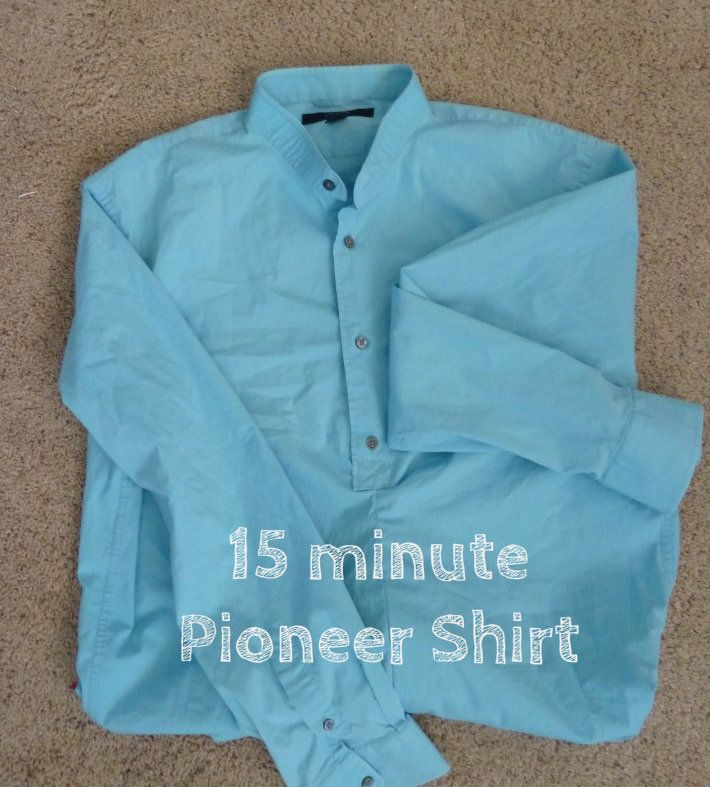
If you are looking for a more authentic shirts for the young men and possibly young women, here is an easy re purpose tutorial.  Not too hard.  Please use thrift stores for your shirts!

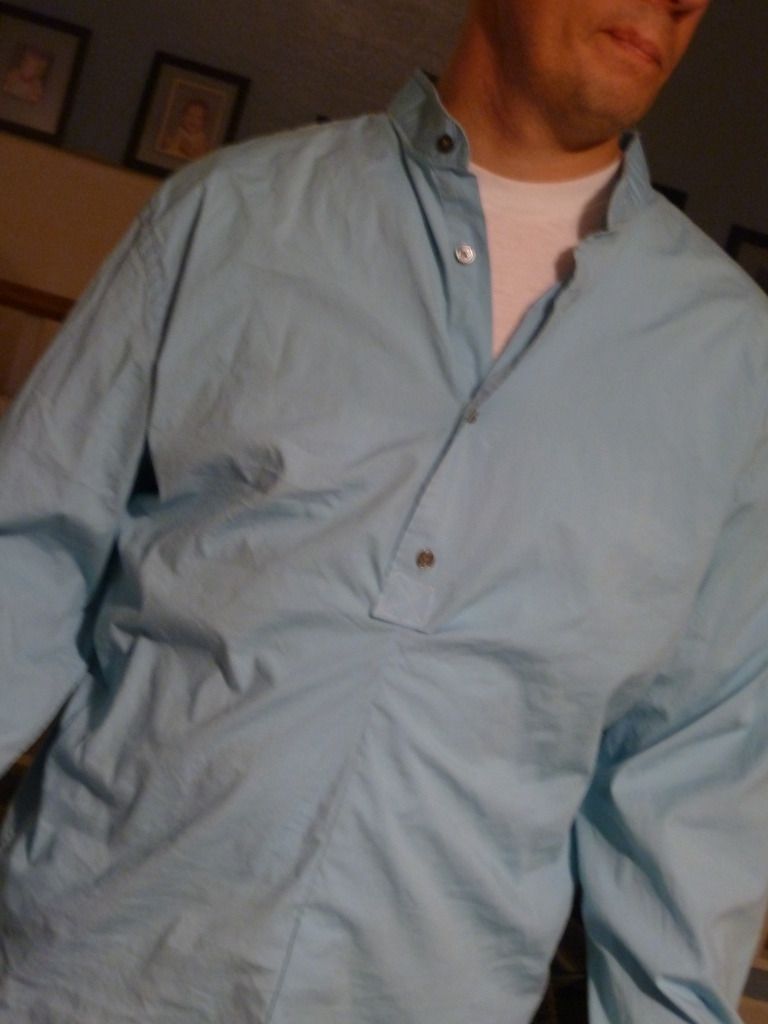
I like how the shirt does not have a fold over collar!

http://homedelicious.blogspot.com/2012/05/pioneer-trek-week-15-minute-pioneer.html


 In case the link doesn't work here is the actual blog idea.

Pioneer Trek Week - 15 Minute Pioneer Shirt


Today I want to show you how to make a simple pioneer shirt.  For more information on why I am making a Trek shirt and dressing like a pioneer, click here!

I originally found a tutorial for this in some random place online, but it wasn't a website so I couldn't pin it.  I redid this tutorial, tweaked it and made it my own, but the link to the original is here.  

To start, you need a button down shirt in 1 size larger than you normally wear.  I bought mine at the Goodwill for $2.  Plaids, stripes and solids are all good choices.

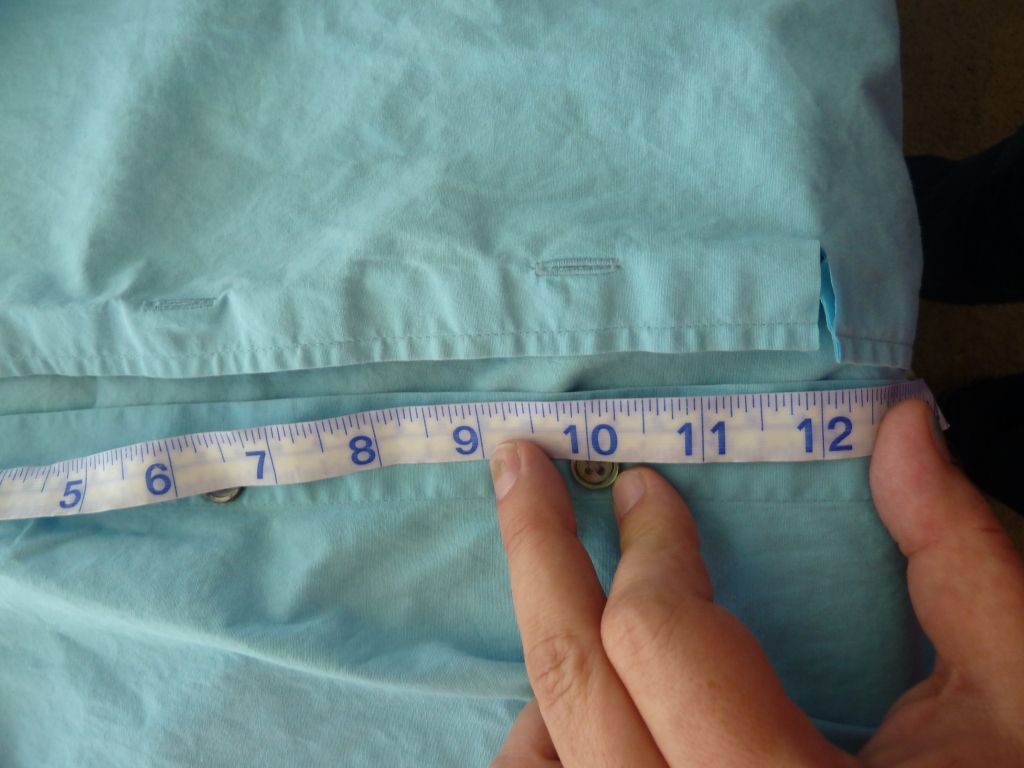
Step 1:  Measure down 12 inches from the collar and cut through placket.  (The placket is the part of the shirt with button holes.)

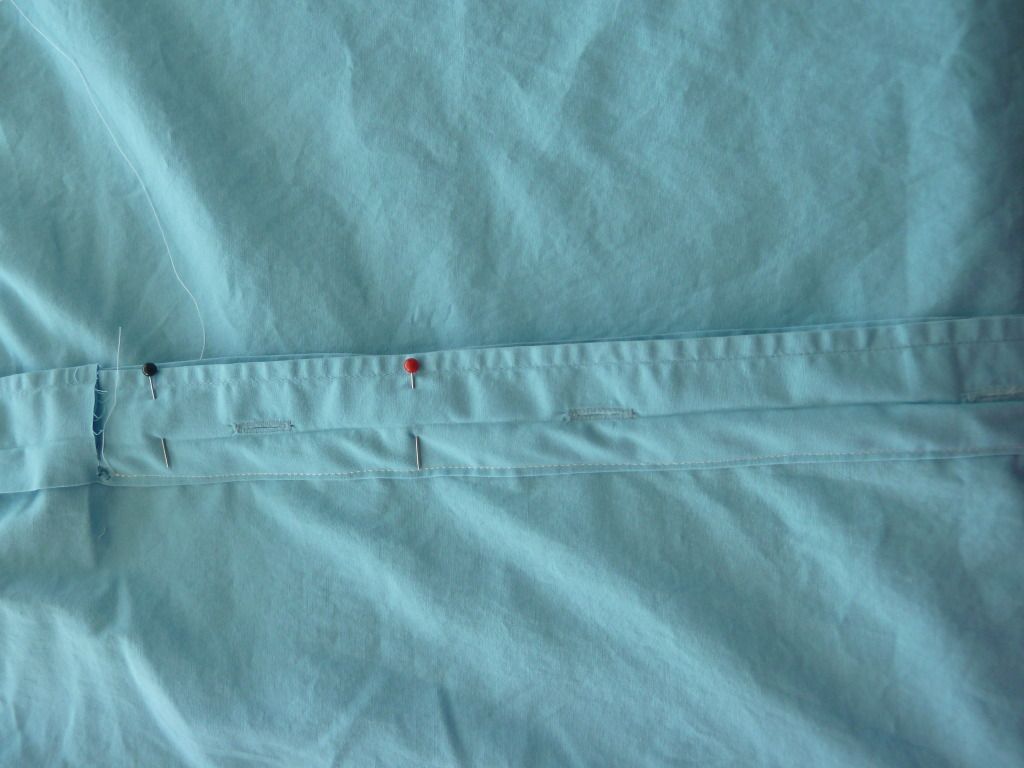
Step 2:  Turn shirt inside out.  Place buttons and placket right sides together, and pin.


Step 3:  Stitch together at edge of placket from bottom of shirt to the cut.


Step 4:  Press seam.


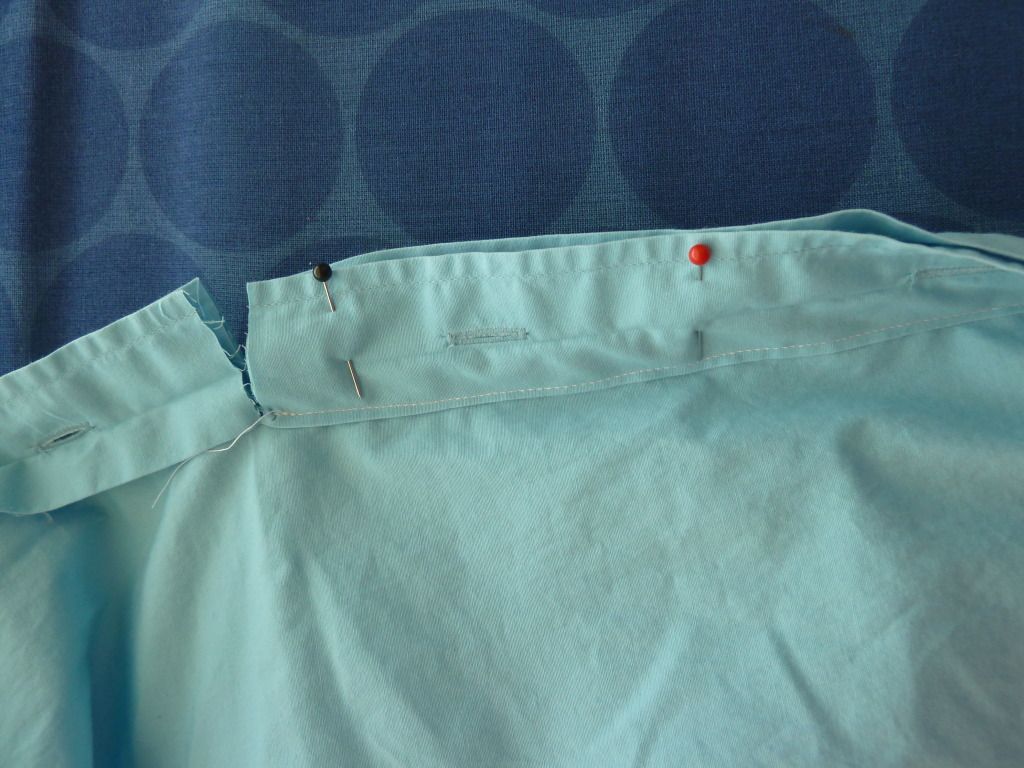
Step 5: Turn shirt right side out again.  Button up the shirt.  Tuck cut edge of the placket under and pin in place at the seam.


Step 6:  Sew a square and and "x" for reinforcement.

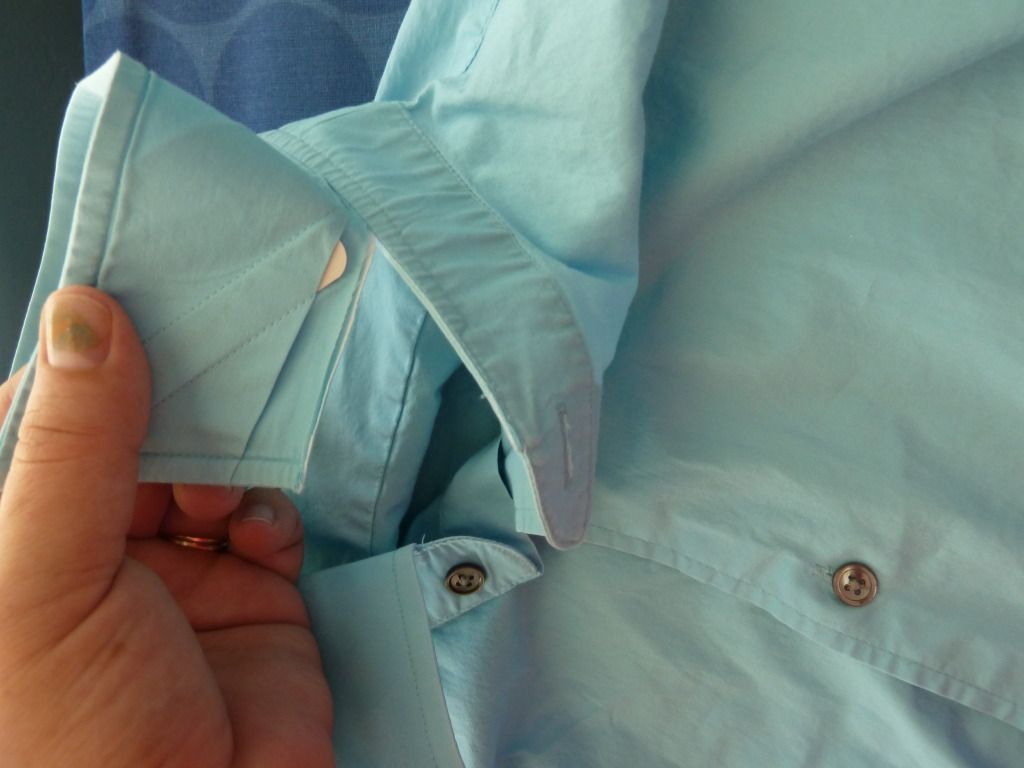
Step 7:  Cut off the collar just above the band.  Since it is stitched right there, it won't fray.

That's it!  Your Pioneer Trek shirt is now complete!


Monday, April 29, 2013

More clothing pictures

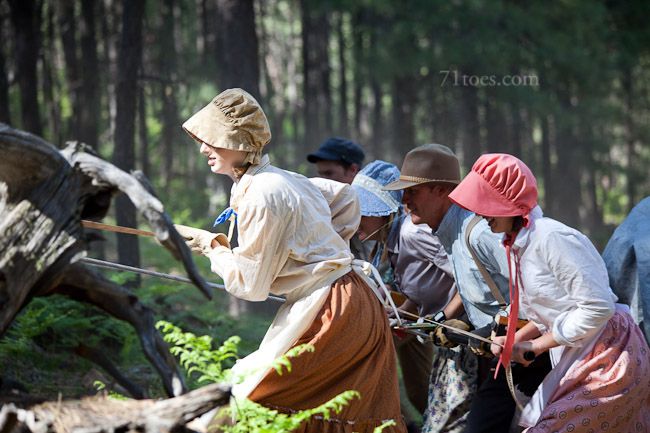
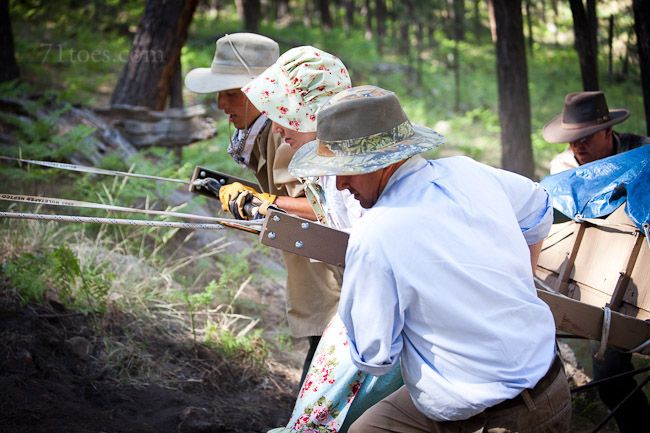
We encourage the youth and leaders to dress as authentically as possible.  These are some more ideas and suggestions.  For the Young Men, Thrift stores are a great way to buy Khaki's and long sleeve light colored shirts.  Then when they get stained, you wont feel so invested. 
. 


Monday, April 15, 2013

Pictures from trek 2009

Just in case you need a little inspiration, these youth made it look so easy.  They worked hard, but they smiled and lived to tell the tales.

 Getting started everyone's handcart looks so nice.

 All loaded up and ready to go trekking!


 A great place for a much needed break.
 Pulling at night

Resting at last

Sunday, February 3, 2013

Clothing suggestions or ideas


 Pioneer Clothing
WHAT TO WEAR ON THE TREK:   

Below are some ideas for both men and women's clothing.  This is by no means the only examples.  I encourage you to be thrifty.  Ask for donated or borrowed items from your units.  Shopping at thrift stores, may prove to be helpful if items can be altered.  I know at Goodwill sheets are about $3.00.  These could be washed and used for aprons, bonnets, and possibly blouses or skirts.  If you or your unit are having trouble with the clothing, please let me know as soon as possible.  We have the time, talents and desire within our stake to help every young man/woman and leaders be dressed in traditional clothing.  This will only help bring the spirit of the trek to all.


Dressing in pioneer clothing can have a tremendous impact on the spirit of the trek.  The following is a short description of how pioneers dressed and it is our hope that the youth will dress likewise for the trek. 


Men’s clothing
Men’s shirts worn loose.  Plain colors were common, but stripes or plaids were also used.  Light colors will be coolest.  Choose something larger than a regular fit, with long sleeves. 
Pants were also worn loose.  Wool or linen were used.  Corduroy, twill and canvas pants are good choices.  Trekker in our day find that wool is to hot but that cotton work great.  Colors include blue, black, gray, browns, especially beige and tan.  Choose rather loose fitting through the crotch and thigh area to add comfort In walking. Khaki pants are an acceptable form of clothing.
Suspenders; Men’s pants were held up by suspenders that were buttoned on the outside of the waistband, and crossed in the back. 
Hats:  Men’s everyday hats ranged from pilot caps, straw hats, wide brimmed low felt hats, or round crowned hat.  No ball caps allowed. 
Ties; Usually vests/ties were worn only on Sunday or when attending a meeting or social event.  Ties were small, black and silky.  Wrapped around the neck one and tied in the front with a square knot. 

Women’s clothing:  

Dresses:  Women’s basic dresses were floor length.  It could be plain or have many ruffles.  The sleeves were full, and long, with buttons or bands at the wrists.  Necklines were usually high, with buttons up the front.  Fabrics were cotton in solid colors or small print.  Bright colors were popular (especially bright yellow)  Blouses and long skirts or jumpers could be used.  Pioneer trekkers now have found that dresses and skirts should be mid-calf or above top of a hiking boot in length (so the girls do not trip over their skirts while pulling). 
Aprons; The standard apron was six to twelve inches shorter than the skirt length.  It gathered at the waist and tied.  The  bib attached at the waist and was pinned to the dress bodice at the top two corners.  Hence, the name pinafore (Pinned at two of the for corners).  Daytime aprons were made of calico remnants.  Sunday aprons were made from white fabric and did not have a bib.  For trekking today, large deep pockets are important to be able to carry different items along the trial.   Here's a pattern you can use:  http://handcart-trek.org/patterns/Aprons.pdf
Bonnets; Women wore bonnets whenever they were outside.  They were made of cotton with a deep stiffened brim and back ruffle to protect the neck.  They could be white, plain colors or a print, but they never matched the fabric of the dress.  Today, bonnets or straw hats for the girls are important, they need to have something they will wear to protect them from the sun. 

Pantaloons were worn underneath the dress and were normally white.  Reached between knee and mid calf.  Could use scrubs or pajama pants hemmed shorter.  Wearing pantaloons helps maintain modesty in trekking situations.  (Although the young women often wear denim jeans, on the trek they should be discouraged because they are too tight, hot and don’t breathe.)  Here's a pattern:  http://handcart-trek.org/patterns/Petticoats.pdf
Shoes; For both  women and men, shoes need not be “period” style.  Comfort is most important.  Do not wear new hiking boots unless you have taken at least two months to break them in.  Bring two pair, so if one gets wet or cause blisters, the other pair can be worn. 
Socks;  Pack clean socks for each day. 

Clothing Sources:  2nd hand stores or borrowed clothing.  Ask your unit R.S. if they have items to borrow.

What NOT TO Wear
Blue jeans, baseball caps, tank tops, t shirts, tight/short dresses, brand new shoes.